
Being rich makes you filthy
From the beginnings of human history, faith in a higher power has often been a social development tool to establish societal homogeneity, extend power, and amass riches.
Wars have been fought in the name of one god or another. Women were burned at the stake or stoned for some perceived offense to a god. Genocides were executed in efforts to cleanse the world of a particular belief.
Thus, it is fair to suggest that while the initial principle of organized religion is to instill faith, the focal points of organized and commercialized religions are money, power, and glory.
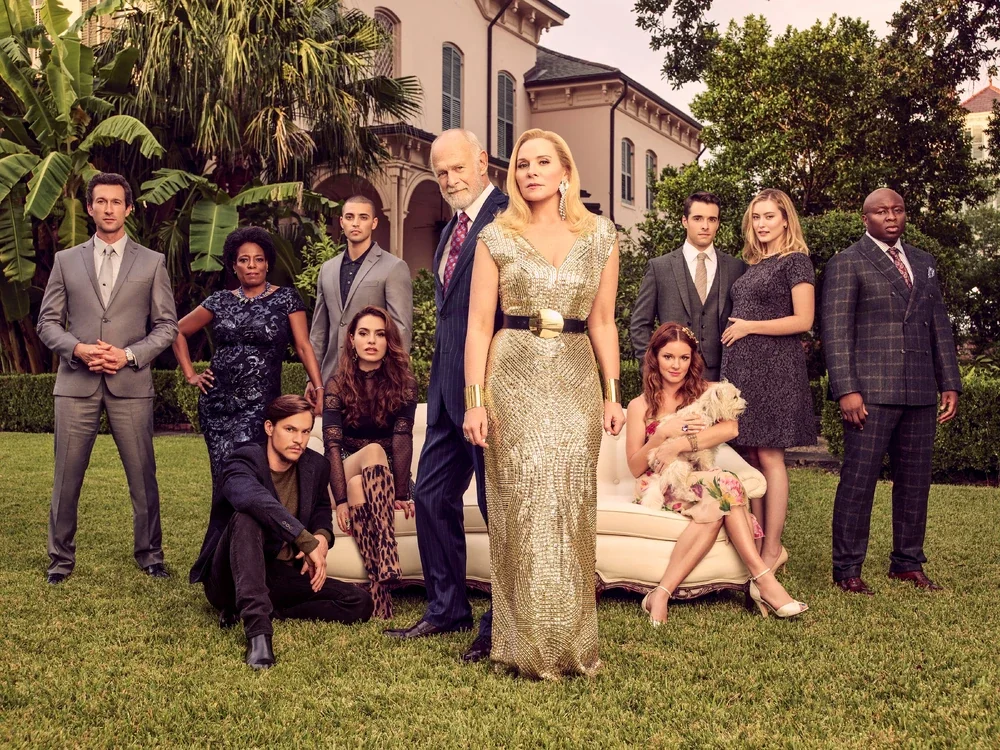
Consider Tate Taylor’s “Filthy Rich” as a foil. The series, an American version of the New Zealand drama, centers a Southern, mega-rich family whose wealth was generated through a Christian television network, Sunshine Network.
Upon the untimely passing of the family’s patriarch, Eugene Monreaux, played by Gerald McRaney, details of his unscrupulous business practices, sexual depravity, and more come to light.

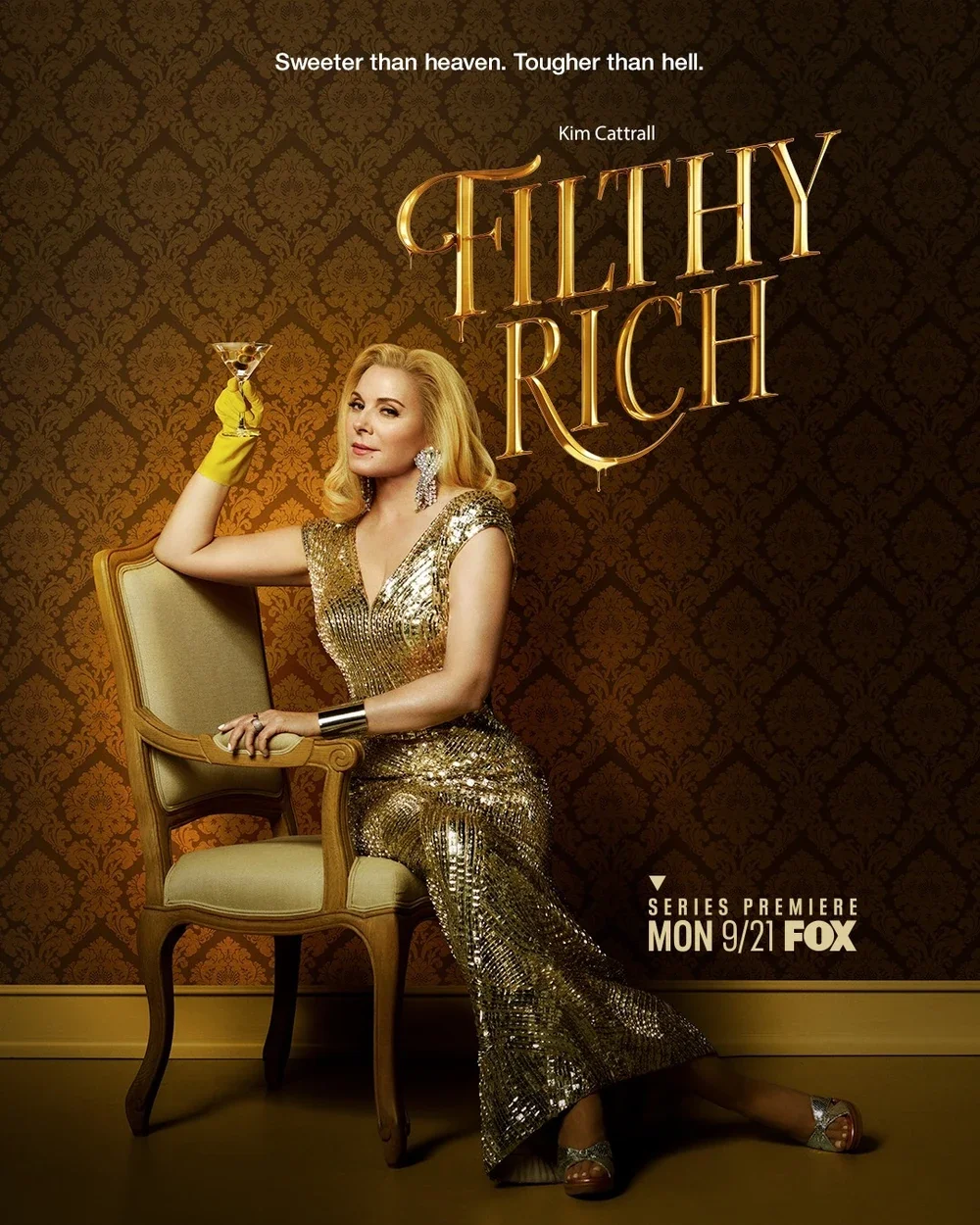
Margarette Monreaux, played by Kim Cattrall, is the dutiful wife and face of Sunshine Network. More particularly, she’s the epitome of a high-society Southern lady. The near-perfect curl of the tips of her hair, her perfectly manicured hands, and an ever-present look of pleasantry in the face of turmoil, scandal, and downright debauchery marked her contrived religious righteousness.
Widowed, Margarette grieves her husband, comforts her children, finds a way forward for her business, and publicly faces the fruits of Eugene’s philandering behavior—four children born out of wedlock.
In the midst of this, Margarette is seemingly more preoccupied with the money, power, and glory her family has amassed over the years. At first thought, one would imagine that throwing money at the situation to silence her late husband’s offspring would best contain the scandal.
In terms of crisis management, honoring Eugene’s will by giving his children their share of his estate, offering more money in exchange for an NDA, and putting the whole ordeal to rest would have been the best solution to preserve the Monreaux legacy.
However, a Venn diagram to compare greed and the rich is merely a circle. “Money changes people” is a common phrase, but what it merely amplifies pre-existing character flaws?

For instance, Margaret’s “humble beginnings” were accented by her desire for more, even at the expense of true love and in favor of maintaining racism and classism. Her sentiments toward Franklin Lee, their lawyer and longtime family friend (read henchman), illustrate this perfectly.
Interestingly, Filthy Rich amplifies that power legitimized by Christianity is most effective when immorality is demonized in favor of sanctification. Power has never been mistaken for the vehicle of morality;in business and faith, it is the vehicle of corruption.

Beyond Margrette’s greed, her son, Eric Monreaux, is so fixated on assuming the role of CEO that he ingratiates himself among his father’s former business partners, whom he has been warned are involved in criminal activities. Not so Christ-like, but in this organized religion, the justification for power is that all is God-given, even among godless men.
As for the concept of glory, that is the end-all be-all of the Monreaux family. Their social standing in the Southern state of Louisiana, their claim to notoriety, their bread and butter, necessitates the maintenance of their legacy; and in their situation, glory and sanctity are synonymous.
Eugene’s infidelity, the “immorality” of his “bastard children”, and the criminality bankrolling Sunshine Network threaten the legacy of the Monreauxs. For this reason, they fight tooth and nail to disenfranchise others, manipulate their circle, and silence opposition.
That’s the thing about godless behavior in organized religion: it leaves room for moral degeneracy.
When man speaks for God, man still maintains his free will, rendering him capable of weaponizing God for the sake of his personal interests. Money, power, and glory are touchstones of worldy riches, and according to Eugene Monreaux, “Being rich makes you filthy.”
