
‘The Safe Bet’ isn’t always the triumphant one

The new year is upon us and in full swing. Mere weeks after folks have set their New Year’s resolutions, the question of “Valentine’s is coming, where is your boyfriend?” rears its head.
As a single woman, my response to that question is usually à la Keke Palmer, “I hate to say it. I hope I don’t sound ridiculous. I don’t know who this man is. I mean, he could be walking down the street, and I wouldn’t know a thing. Sorry to this man.”
I am a woman in the world. I am a woman interested in romance, but my primary focus has been and will continue to be the woman of my own dreams before I am the woman of another man’s.
Take Enhle Mbali’s recent film, A Safe Bet, as an example…
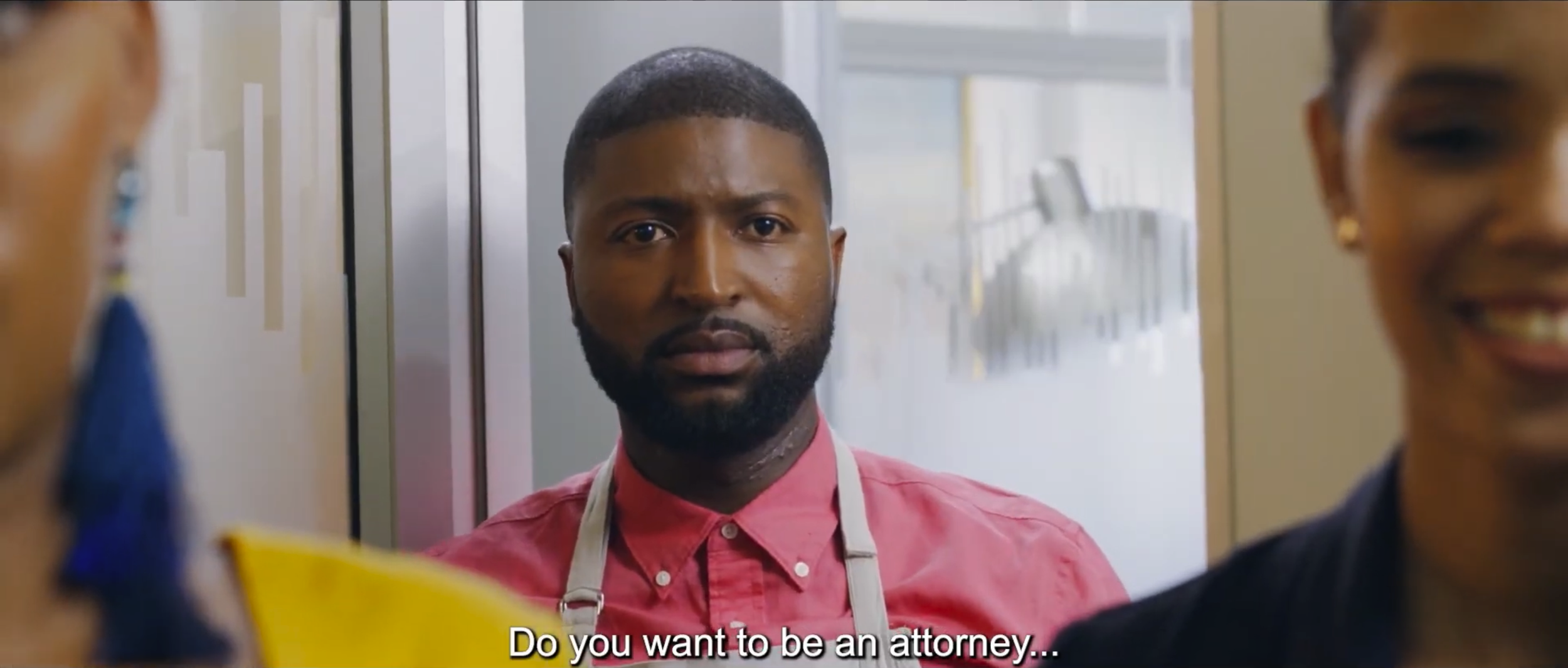
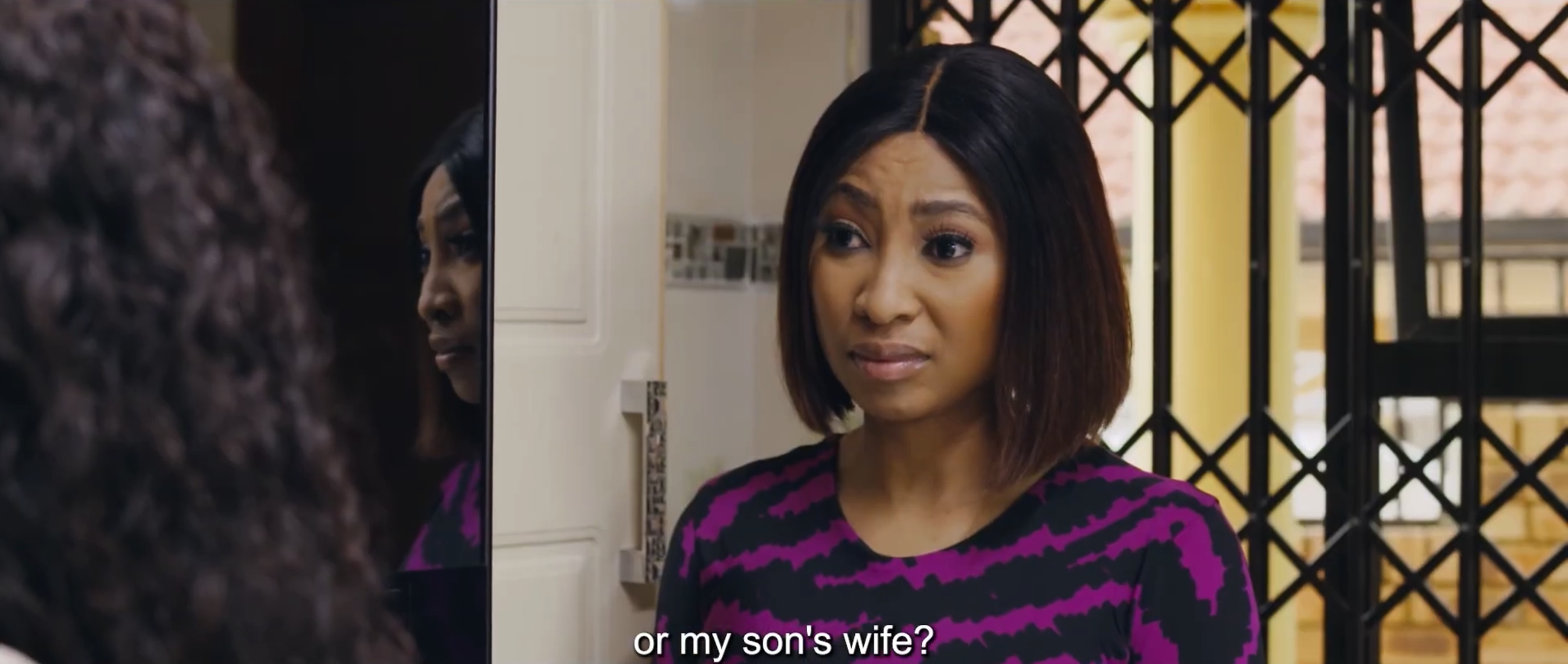
She plays the character of 34-year-old Pearl, a case-winning and highly sought-after attorney. Her goal is to make partner at her firm, but in working towards that, her work-life balance is diminished, and her personal life, specifically her romantic life, often comes second. This is a tension point between her and her longtime partner, Karabo.
Now, to be clear, it takes two people to make a relationship work, and it’s fair to speak up if your partner isn’t making enough time for you. But in Pearl’s relationship, achieving her career goals when her family and society believe her primary goal should be to be wed and bred.
You’d swear women are more like trophy horses at the derby than people with goals and dreams in light of this perspective. It’s interesting, though, living in South Africa where women are both scorned for having men, boyfriends, husbands, or otherwise, take care of them and simultaneously be encouraged to be independent career women.
The better question, as Valentine’s Day looms closer, doesn’t ask the whereabouts of a woman’s boyfriend. The question should ask why they’ve deprioritized having one in favor of their careers.
There were times when women needed men to financially support them or supplement their role as “providers.” Reasons for this include not being allowed to work, being barred from certain professions, or being grossly underpaid. With certain rights achieved over the years, women don’t need men.
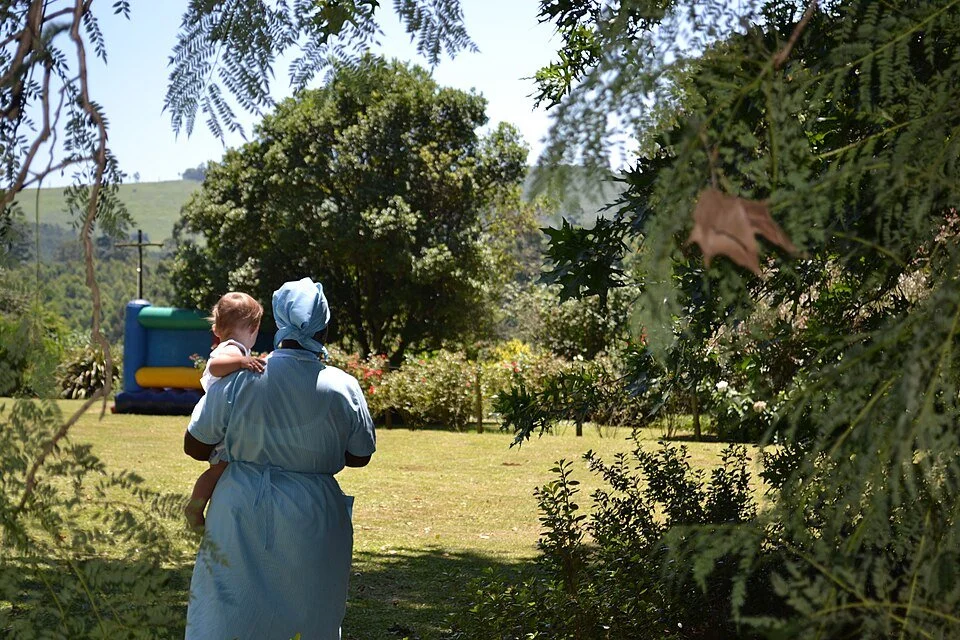
Domestic worker in Midlands, Kwa-Zulu Natal, South Africa (2013) by Alice Morrison
Someone will beg, borrow, and steal to achieve their needs. However, the things you want require behavioral changes, focus, and dedication. In this context, without the legal and financial constraints, women interested in men have to want them; they don’t need them.
In “A Safe Bet,” Pearl wants to be a partner, but she also breaks her back to excel at work. However, a tenuous mother-daughter relationship makes it seem as if Pearl needed a man to please her mother, more than to fulfill her own desires.
The question of why a woman is single isn’t levied by mothers and other women alone, but by men in institutions said to serve God. The pastor of a church is the proverbial right hand of God, the mouthpiece, the executor of his supposed will. When a pastor speaks, it’s believed to be in favor of God, which, in this instance, suggests that God wants women to be married, to be partnered.
This suggestion nearly launches Pearl into two marriages, one she wasn’t ready for and another that would have crushed her spirit.
For women, it’s almost as if being in a relationship is the safe bet. However, history and data suggest otherwise in the South African context. Not to be morbid, but you’ve really got to be sure of a man to give him unfettered access to you.
So to be clear, needing a man because of societal or familial pressure is not a safe bet. Wanting a man of your own volition and subsequently choosing the right man for yourself is not only the safe bet, but the triumphant one.
