
Is living through an apocalypse really the motive?
Facing difficult odds during “peaceful” times, shows like “The Last of Us” and “The Handmaid’s Tale” make you wonder whether enduring an apocalypse is worth the effort.
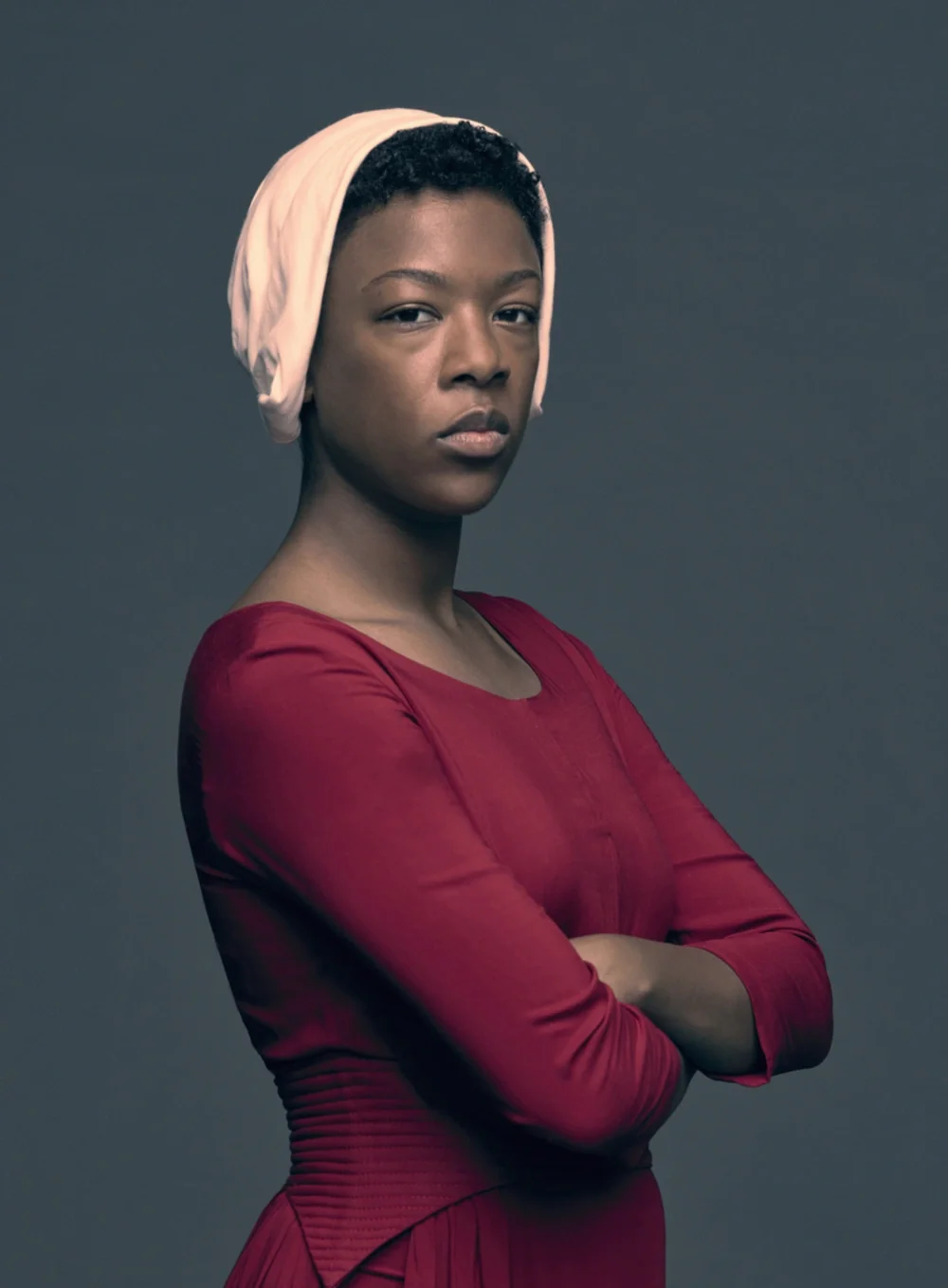
“The Handmaid’s Tale,” Samira Wiley playing Moira. © Jill Greenberg / Hulu
Severe natural disasters highlight the fragility and fallibility of human life. When “acts of God” occur, we do our best to rebuild and recover.
Shows like “The Handmaid’s Tale” and “Game of Thrones” and films like “World War Z” and “The Last of Us” illustrate the kinds of disasters that could befall humankind. Moreover, they all depict scenes specific to the dangers facing women and girls during societal collapse.
If women are the spoils of war or the catalyst to saving humanity, if subjugation is what women and girls have to look forward to, it seems as if society would do anything to recover humanity or stability, even at the expense of women.
So why should they fight to survive certain subjugation?
From global warming to zombie attacks
Peking University and Duke University research findings included the Earth’s “inner core” being paused and “Raised temperatures cause a pathogenic fungus known as Cryptococcus deneoformans to turn its adaptive responses…which might presumably lead to higher heat resistance, and others perhaps toward greater disease-causing potential.”
There’s cause to consider that the world could, indeed, end. So it’s no surprise that the “biological challenge to world order” trope is prevalent among Hollywood filmmakers.
10 years ago, the zombie doomsday trope underpinned “World War Z.” Jerry, played by Brad Pitt, encounters zombies with his family, and a high-stakes escape out of a city center ensues. While searching for supplies at a grocery store, when they are separated, Jerry’s wife, played by Marielle Enos, is accosted and nearly sexually assaulted by two large men. Zombies are attacking humankind, but a woman’s body is what you want to take to the grocery store?
When viewers aren’t thirsting over Pedro Pascal's looks or reminiscing about Bella Ramsey’s “Game of Thrones” performance, they suspend disbelief and watch “The Last of Us” characters Joel and Ellie trek across the US, dodging zombies. These zombies were once human beings who were later infected by the Cordyceps fungus, a real-life fungus. Pascale and Ramsey seek safety after a cordyceps virus.
Ellie’s immunity makes her integral to finding a cure, a cause she’s committed to and willing to risk sudden death to do. However, she is not aware that the process of harvesting her genetic material to develop this cure requires that she die. Doctors who vowed to do no harm were all too prepared to kill Ellie in the name of finding a cure.
Conflict zones beget sexual subjugation
Where zombies are rooted in science fiction, declining birth rates and post-war rape are real occurrences. The United Nations Development Fund for Women (UNIFEM) concluded through collected data, albeit underestimated in most instances, “Rape in conflict, when widespread and systematic, is now recognized as a crime against humanity and a war crime.”
Among UN Peacekeepers, NPR reported that during stabilization efforts between 2014-5, the sexual relations between peacekeepers and women met the criteria of rape or, at a minimum, exploitation.
They did report instances of consensual relationships; however, it is important to note that the perception of peacekeepers is rooted in their responsibility to help. Any kind of sexual relationship between one such individual and a destitute woman suggests an imbalanced power dynamic in the relationship.
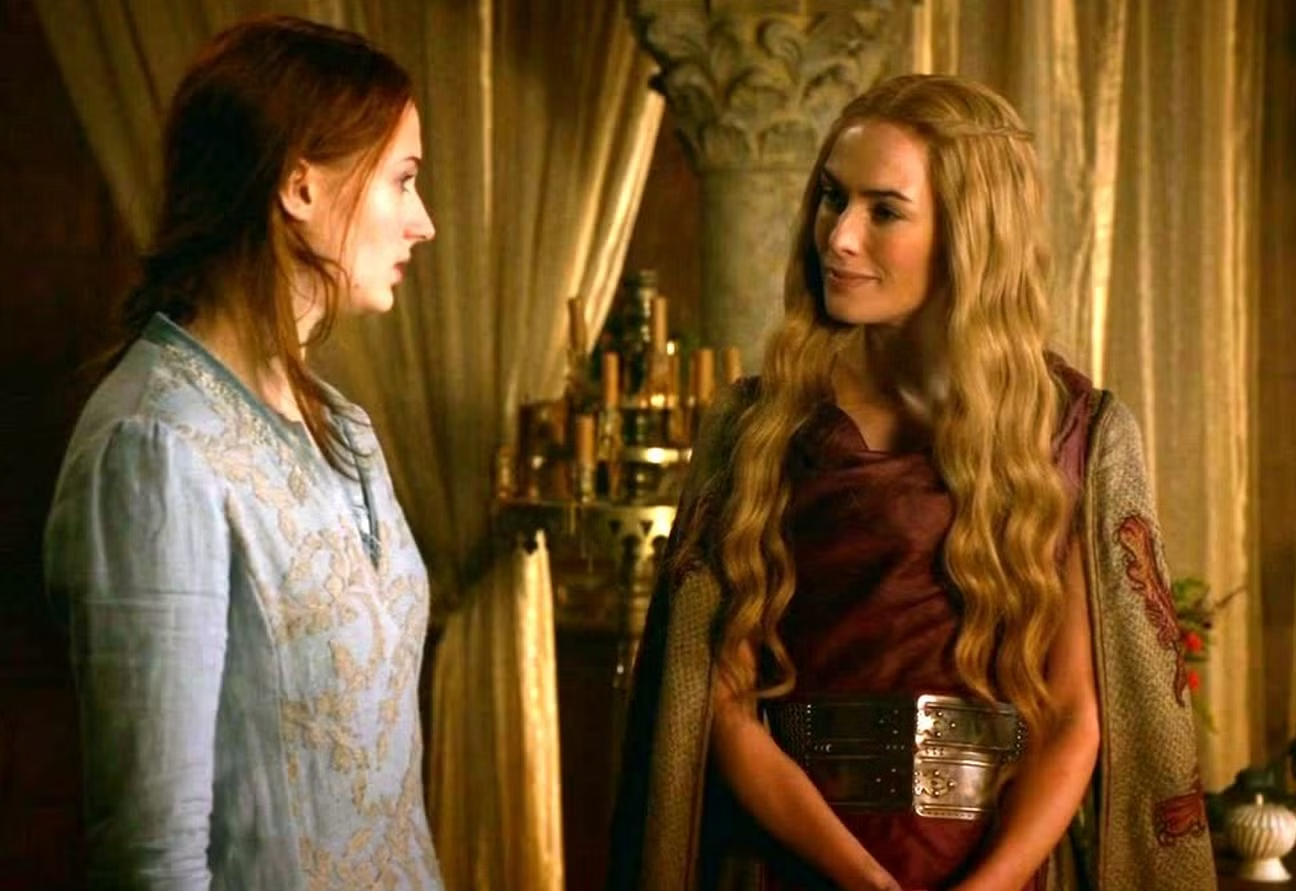
Cersei Lannister aptly described conflict-related sexual violence as she hid during the Battle of the Blackwater. “Do you have any notion of what happens when a city is sacked? No, you wouldn't, would you? If the city falls, these fine women should be in for a bit of a rape. Half of them will have bastards in their bellies come the morning.”
A global pandemic forced the world indoors, and the long-term effects of the deadly COVID-19 virus have yet to be fully studied. United Nations Secretary-General Antonio Guterres asserts that the convergence of “Unsustainable patterns of consumption and production are fueling the triple planetary crisis of climate change, nature and biodiversity loss, and pollution and waste,” poses an “existential threat” to humanity.
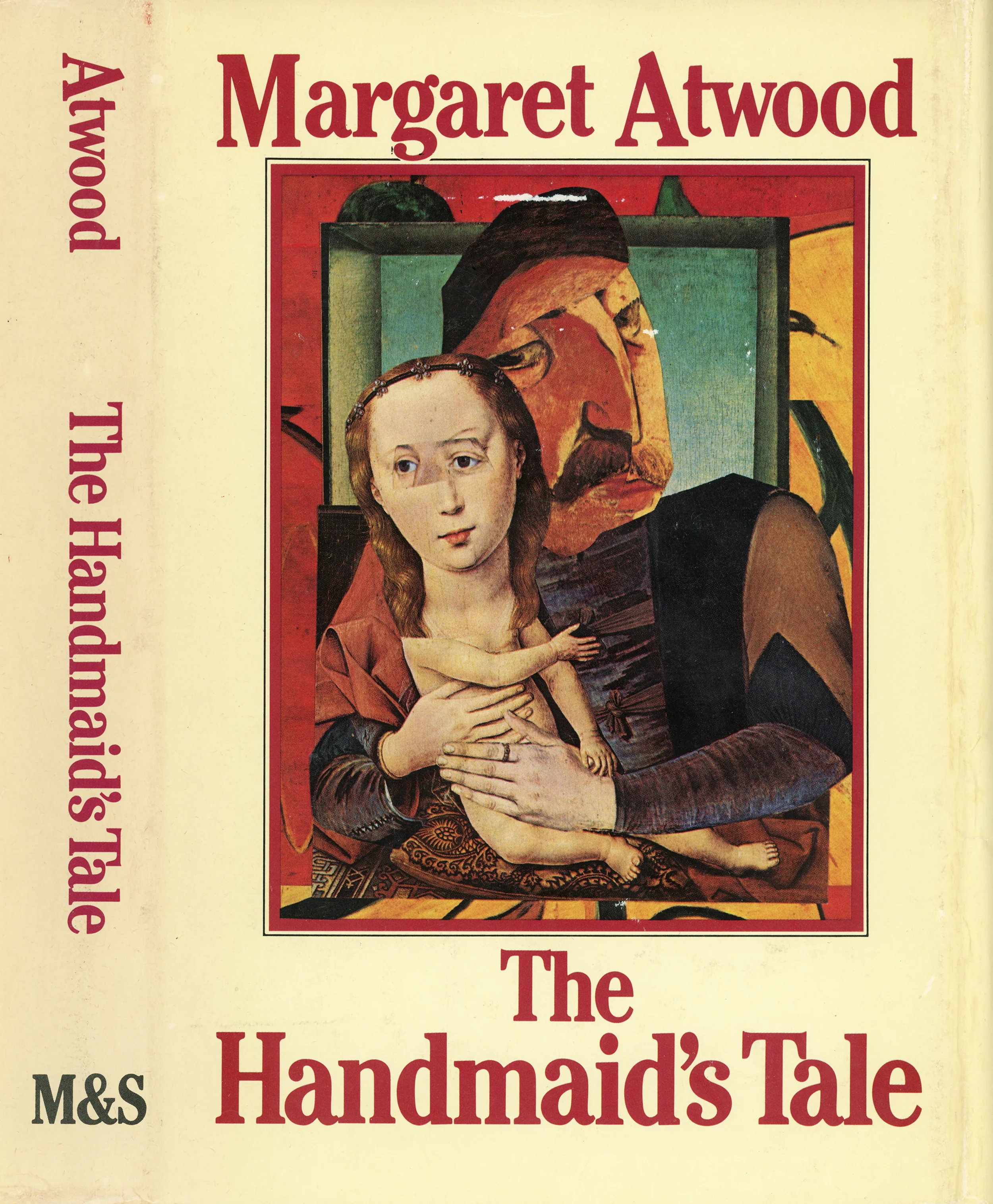
Margaret Atwood, “The Handmaid’s Tale” book cover
Margaret Atwood’s novel-turned-series, “The Handmaid's Tale,” uses a similar doomsday trope, imagining what could befall the world if the Earth is degraded to a point of no return. Set in Gilead, morally bankrupt, power-seeking men subjugate women in the name of establishing stability. To repopulate the world after the devastating drop in global birthrates, leaders sanction rape by bastardizing Christian doctrines. Women are reduced to nothing more than incubators and accessories for powerful men, all women’s rights be damned.
Am I going to watch the content, scream at the screen, and cry for my favorite characters? Of course! However, I’m not getting my hopes up to survive the apocalypse, because if a virus doesn’t take me out, a man will.
So again, is the end of the world really worth surviving for women and girls?
