
Euphoria & misery - teenage life
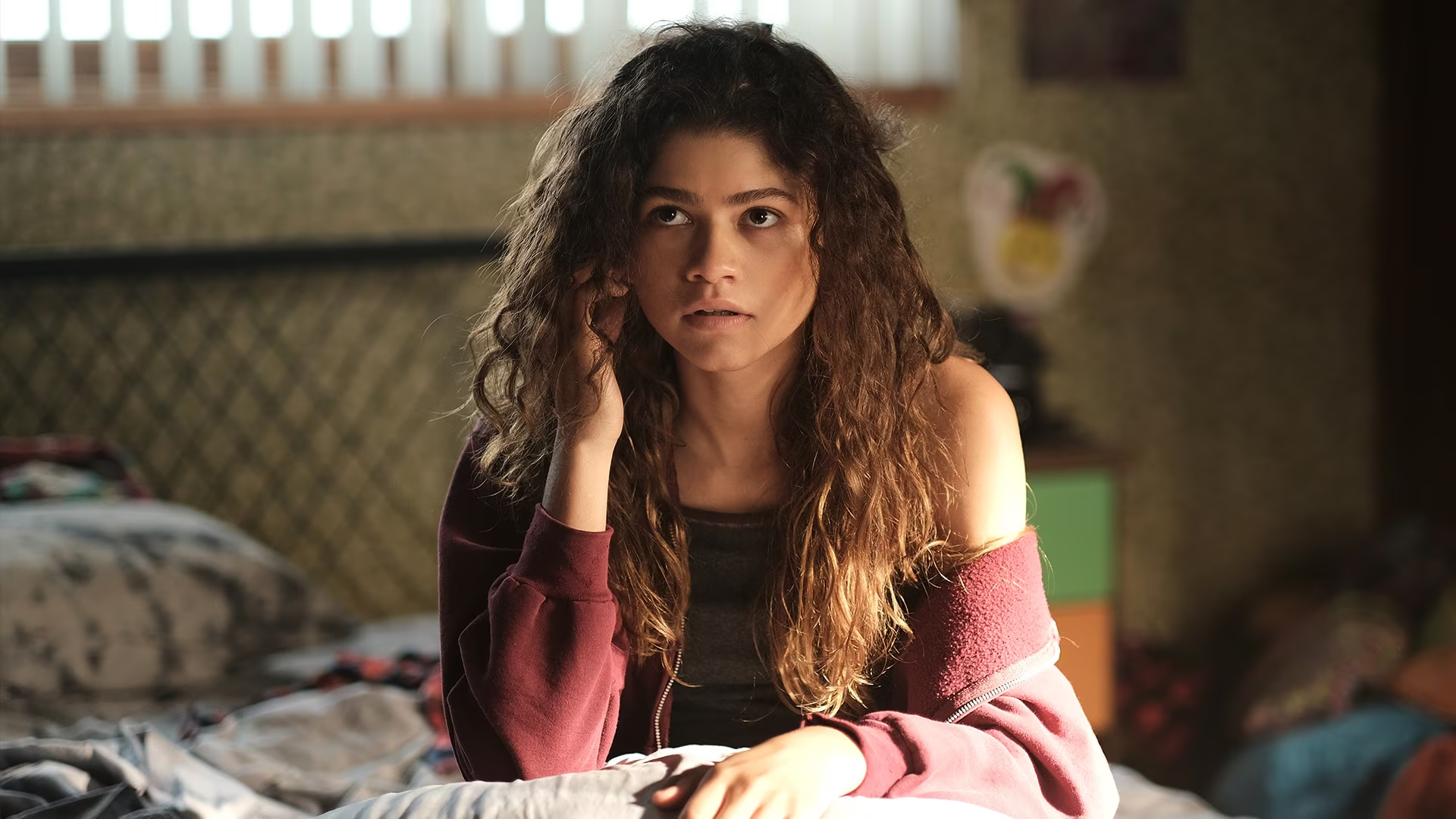
Feelings of “Intense excitement and happiness” are induced by chemicals, either through your body’s natural production faculties or with the assistance of narcotics. Maybe we’re not meant to enjoy euphoria. Without a doubt, Sam Levinson makes a convincing case for this with his HBO series, “Euphoria.”
Underpinned by teenage drug abuse, “Euphoria” suggests that the feeling begets acute misery and depression for everyone. Granted, Sam Levinson’s direction of the series has been widely critiqued, but at this point, with only one episode to go, there’s no hope of course correction.
According to HBO, Euphoria season two, “debuted as the most viewed episode of an HBO series ever on HBO Max, currently with more than 14 million viewers across platforms, more than double the average audience of Season 1 (6.6 million viewers per episode).” The Wrap reported that 18 - 34 year olds comprised 40% of the show’s viewership.
Essentially, since the series debut in June 2019, adults watch a show about teenage life and share their opinions as fast as they can live-tweet. But in much of the online discourse, I haven’t come across enough credence to a pivotal plot point: these characters are children.
Rue Bennet, Cassie Howard, Maddie Perez, Jules Vaughn, Nate Jacobs, and the majority of characters are under 18, experimenting and/or using substances, discovering their sexuality, all the while in navigating high school—even though it doesn’t seem like it when it comes to their studies.
The one character who has most entertained me is Lexi “Now That’s How You Clear A Bitch” Howard, played by Maude Apatow. You may ask why I call her that. The simple answer is that she is a character who juxtaposes the madness of her fellow characters.

Lexi Howard played by Maude Apatow. © HBO
She is the voyeur of all of the characters. In her autobiographical stage play, “Our Life,” Lexi employs hyperbole and dramatizes the lives of her classmates. The eyes F Scott Fitzgerald alluded to in “The Great Gatsby” are the perfect personification of Lexi - she sees life for what it is, the good, the bad, the uncomfortable, and the shrouded. And she doesn’t hide it or make excuses for it.
For example, Nate Jacobs, played by Jacob Elordi, is Jake in “Our Life.” Nate seemingly struggles with his identity, grappling with his hypermasculine identity and his attraction to a transgender classmate, Jules, played by Hunter Schaffer.
“Our Life” presents a campy dramatization of Nate with implications of homosexuality. Although where many may attribute this to his attraction to Jules, it is his hypermasculinity and domineering over women and other boys that suggest he may not be as heterosexual as he communicates.
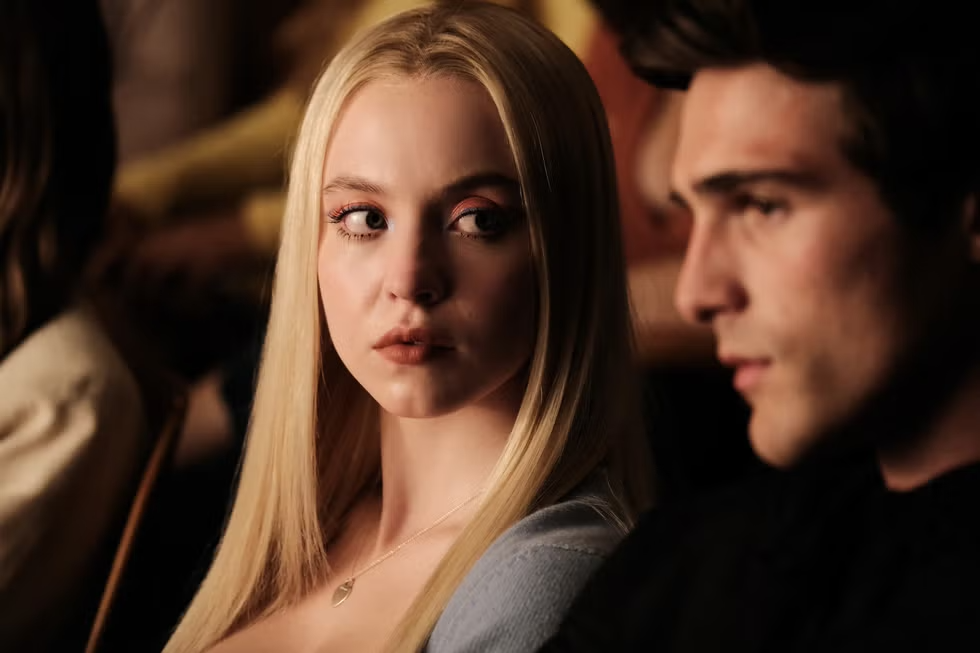
Cassie Howard and Nate Jacobs played by Sidney Sweeney & Jacob Elordi. © Eddy Chen//HBO
Lexi did not spare any “Euphoria” characters in her play, not even her sister, Cassie, played by Sidney Sweeney. Depicted as “Hallie,” Lexi shone a spotlight on her sister’s lacklustre life and personality, a direct result of her sister’s incessant attention seeking and low self-esteem.
Rue, played by Zendaya and the main character of “Euphoria,” was presented as Jade in “Our Life.” Lexi illustrated Rue’s devolution into drug abuse, the disintegration of their relationship as they entered high school, and where they are now.
However, in Lexi’s portrayal of Rue, and even Cassie to a degree, she maintained the dignity of their respective life stories. The same cannot be said for her portrayal of Nate, but that likely has to do with his life being wholly undignified with little indication of redeemable qualities at the time of production.
Lexi not only told her own life story, but demanded that her classmates confront their own behavior beyond themselves. She juxtaposed the misery they all endured, in whatever big or small way, against the euphoria of youth and self-discovery.
This show speaks to the importance of living a balanced life. However, that is the lesson adult viewers can take from the experience. Sure, we all know a Cassie, a Nate, or a Maddy from high school, maybe even university, but much like the characters have grown over the last two seasons, in the real world, everyone develops over time.
These characters represent the coexistence of euphoria and misery, and the possibility of finding love and happiness somewhere between, forever or not. These characters, much like my own bullies, might not have been what was right at the time, but they’re redeemable because they’re all children.
In the meantime, as the season finale looms, I’m awaiting the outcomes of my favorite characters. I am worried about Fezco and Ashtray, hopeful for Maddy, weary of Cassie, curious about Nate, ready for Rue to commit to sobriety (and worried about that suitcase), interested in what’s next for Jules, and indifferent to Elliot (as attractive as I may find him).
