
“Groove”: where South Africa is happy and free
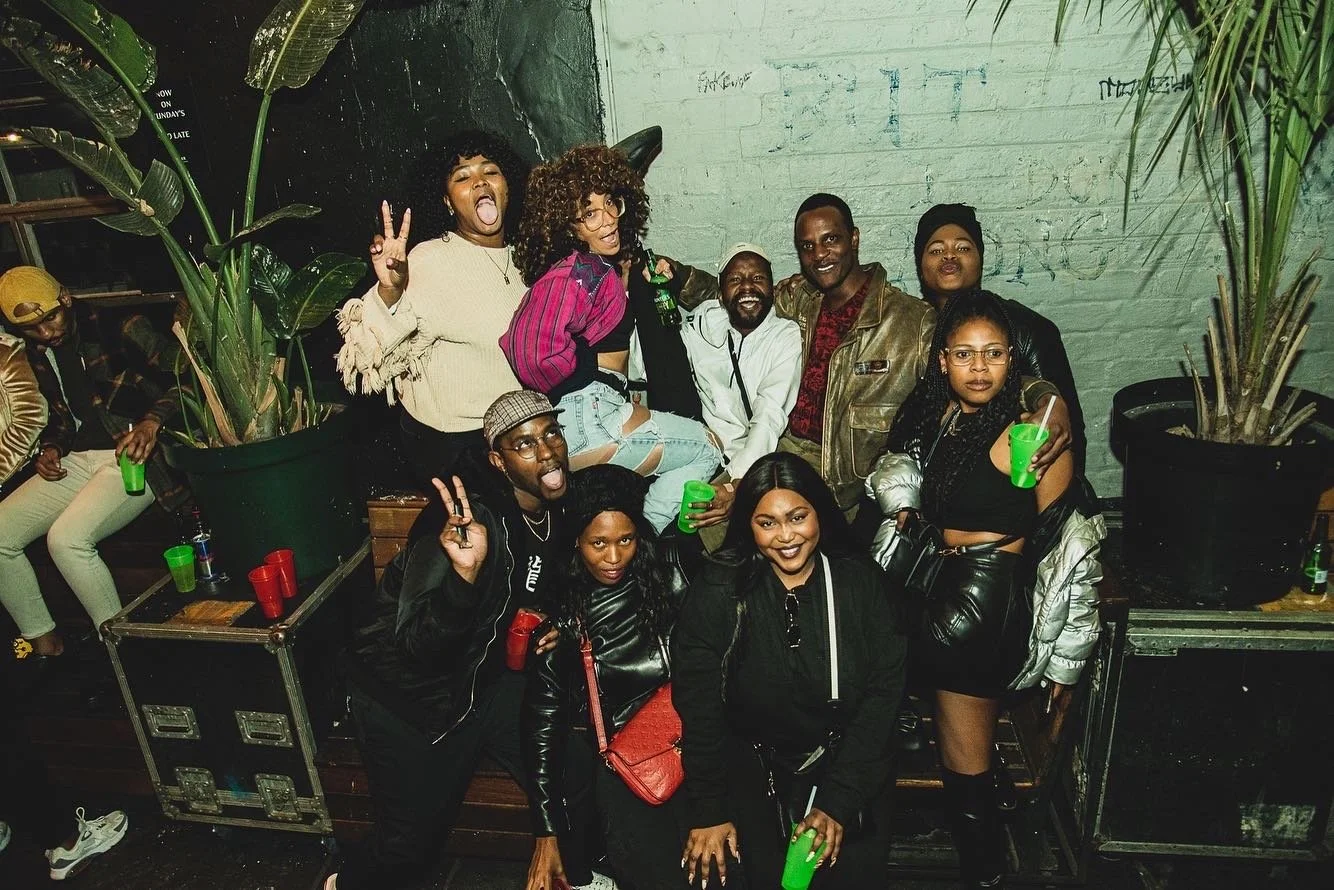
Over the past few years, there has been a resurgence in dance music of various disciplines. From the boom and international spread of amapiano to the “world stop” moment of Beyoncé’s Club Renaissance, the return of international festivals, and more, it’s safe to say we’re grooving again.
I’ve spent my early 20s in and out of different cities, entertainment spaces, and artistic disciplines. South Africa’s groove scene stands out as the intersection of joy and grief, hope and disbelief.
Phone Theft syndicates, kisses on the dancefloor, music selector ministers, “I’m That Girl” moments, and “glam roadkill” rescues compose the groove scene. And we love it, it’s where we are happiest and free. Populating these spaces are DJs, models, influencers, event curators, venue owners, brand managers, and ambassadors, not to mention the coup de grace of South Africa, the beauty of her people.
Take the ministers/choir directors of groove, the DJs. One winter evening, I found myself at a Kop party in Melville after an impromptu jaunt at Until Until’s Good Morning concert at Constitution Hill. Lohaanda, a booked-and-busy model-come-DJ, played a set that had the girls, gays, and theys whipping their hair, voguing, and beautifying the space with their elation and carefree attitudes.
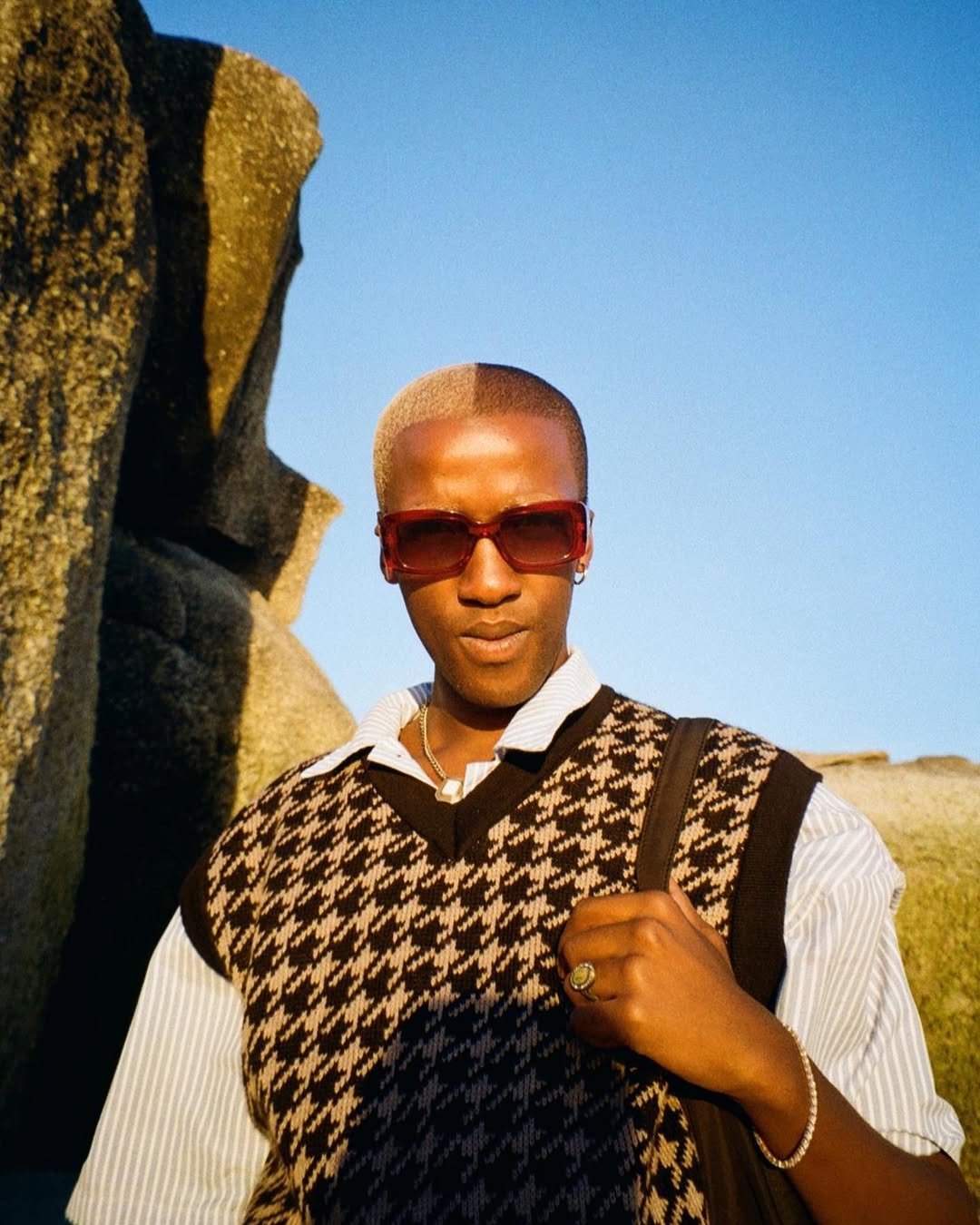
Lohanda
It had been a while since Lohanda made their DJ debut, and we shared a laugh when I said, “The bad DJs know I don’t like them.” Despite my hyperbole, albeit a few DJs have faced my displeasure on the dancefloor, the point was that Lohanda, much like the queer choir director trope, had the club on their feet and shouting.
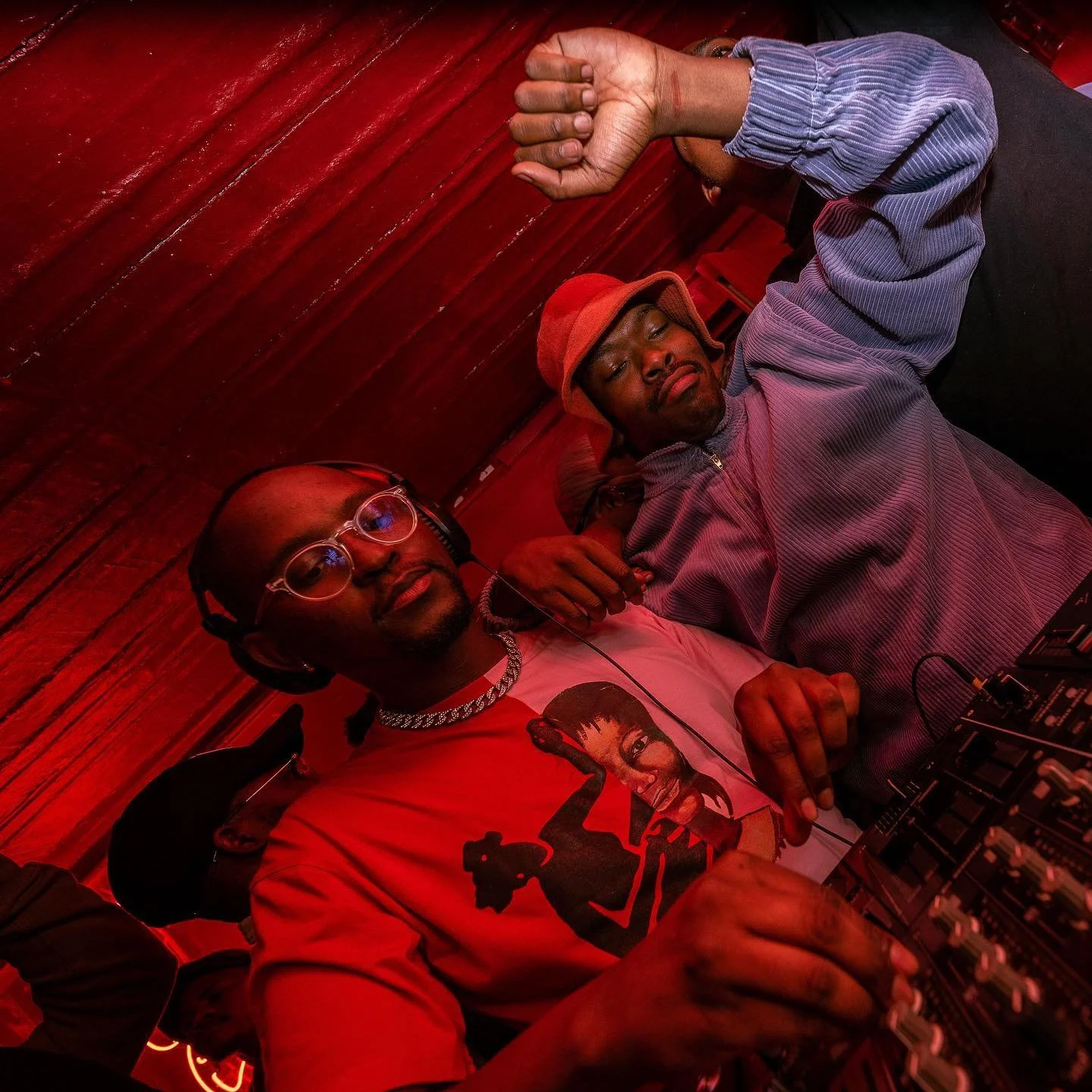
Lelowhatsgood & Thulani Dandala as Slow Poison
An equally powerful duo, Slow Poison, arguably has a lock on turning groove into praise and worship. Lelowhatsgood, one half of Slow Poison, recently made his music debut with “Demon’s Kiss,” so it’s no surprise that he would perform the record at his gigs.
Thulani Dandala, better known as Thulz, and the second half of the duo, is the proverbial minister of the church. On one occasion, the two shut down Bunker, and crowds only dispersed as the hadadas sounded their birdsong.
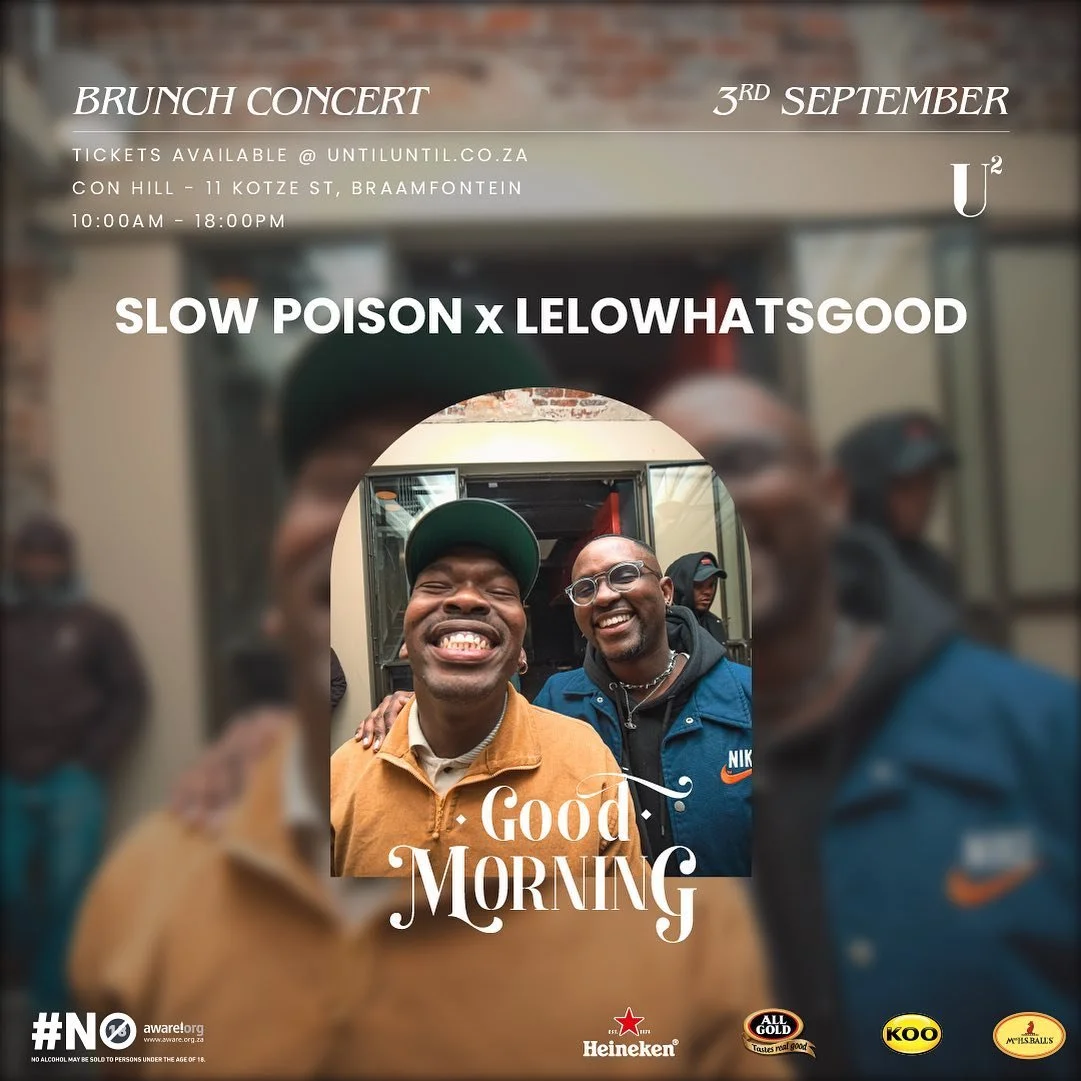
During a performance at Good Morning, I remember taking a moment to look around the crowd. While it’s easy to be distracted by drop-dead, eat-your-heart-out, gorgeous South African groovers, the joy on the faces of concertgoers was even more magical to witness.
More especially, Thulz and Lelowhatsgood bore triumphant expressions, knowing exactly what they were doing and the moment they were orchestrating for their audience.
A movement I’ve enjoyed participating in is the installation of Sunday as a day for unadulterated fun, where it’s more often considered a holy day or “Sunday is for lovers.”
As an adult, my personal relationship with the Church is near non-existent, though I attend the occasional service.
Recently, during a service at St Paul’s Anglican Church, I observed the rhythm of the choir’s drummer and the reaction of the men of the cloth. Movements and footwork that I’ve seen at groove were repeated with a more sanctified sway of the hips and arms.
With closed eyes and open hearts, the similarities between smoke wafting through a dancefloor and the incense scenting the church hall couldn’t be mistaken.
Perhaps, that’s the magic of Sunday grooves.
Take Soundset Sunday by Nouveaux, for example. What started in Norwood progressed to a passage in Craighall, Johannesburg, and has finally landed on the rooftop of one of Johannesburg’s finest buildings. The event is decorated by beautiful people, dressed to the nines, with the splendor of Johannesburg’s skyline as their backdrop.
Arguably…Sunday groove is the badass twin of Sunday praise and worship.
Festivals are yet another example of the effervescent joy experienced at South African grooves. Consistently, local artists inspire meme-able reactions, tears, and unabashed dancing. The shock of international artists about how we go about monate is a testament to this.
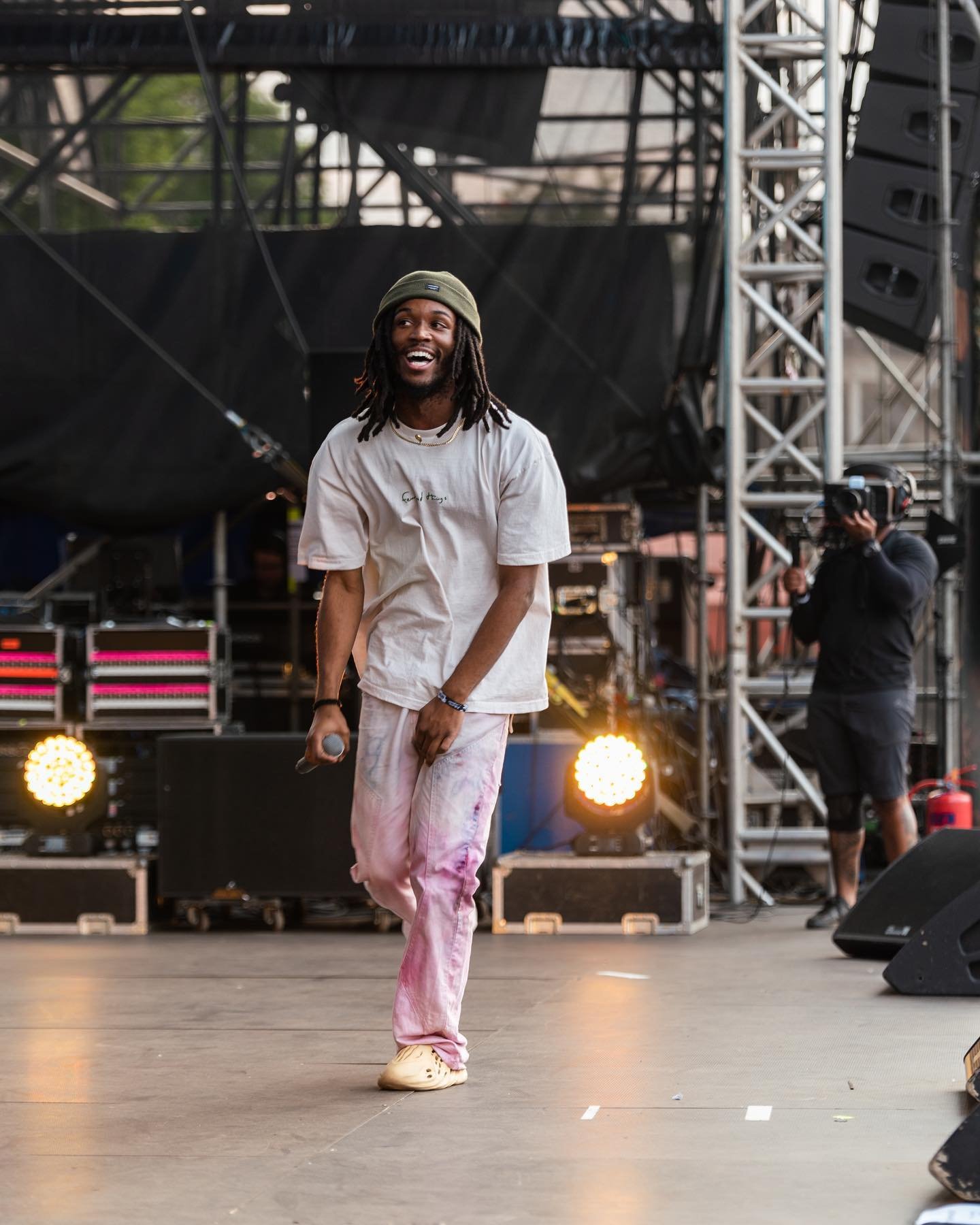
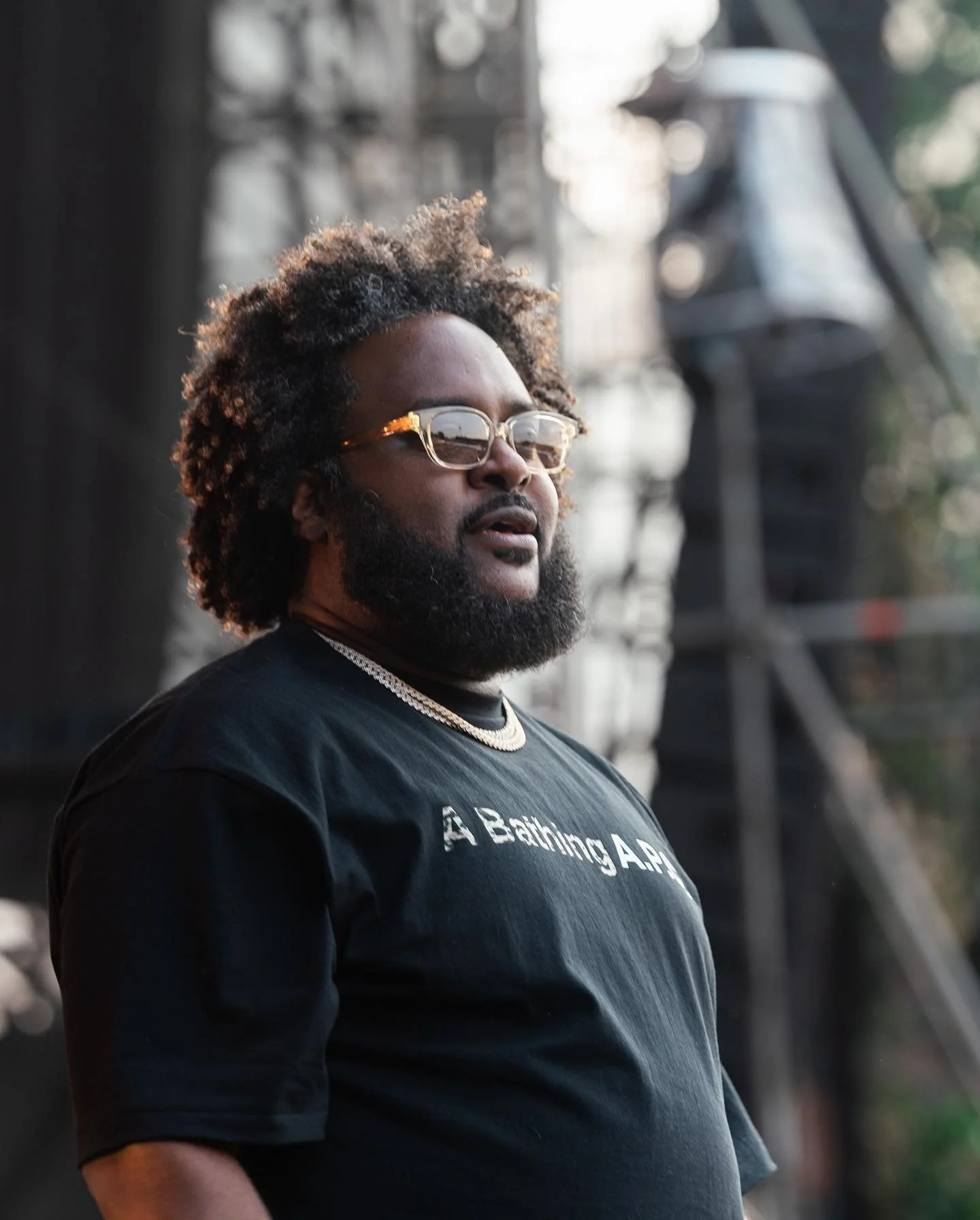
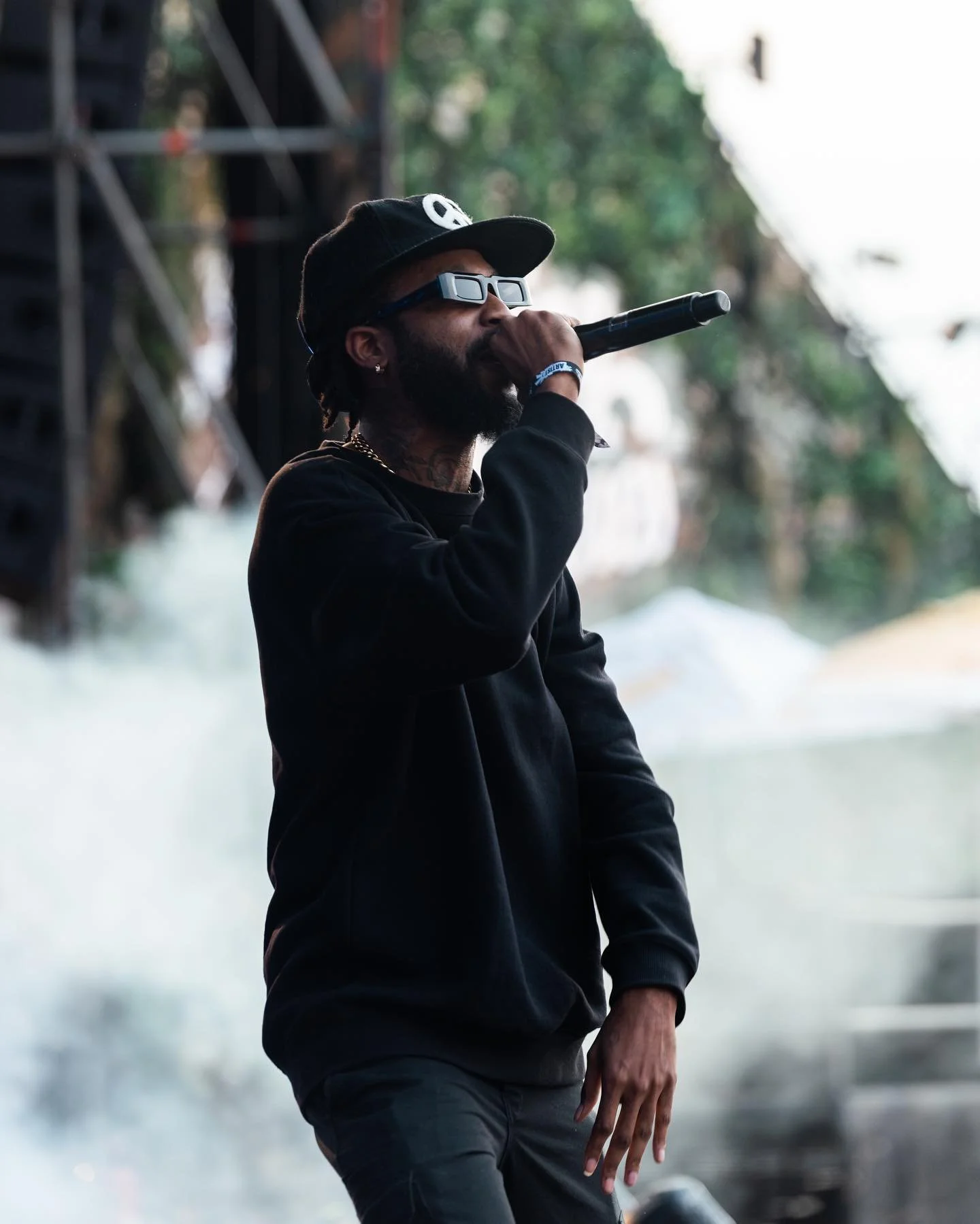
American rapper Bas of Dreamville enjoyed the splendor of South Africa and later brought his friends along for Cape Town’s Rocking The Daisies festival. All of them were moved by how well we embraced them and how hard we rock as a nation.
Now, there’s a separate conversation to be had about foreign artists’ shock at African knowledge of their music, but let’s focus.
South African groove is spiritual; it requires stamina, faith, and a desire to be moved by something as a collective. I make it a habit to gaze upon the faces of people enjoying music in a crowd.
With this said, I know that there is strife, pain, and destitution in the world, in human history. However, for the few stolen hours of South African groove one can attend, there is only joy and hope. There is love in the sky, beauty to behold, and hope for a better tomorrow.
Solange was right in saying you can’t drink it away, but for a few hours, if you attend a South African groove, you can dance it away.
