
There are no average “Waves” we're allowed to ride
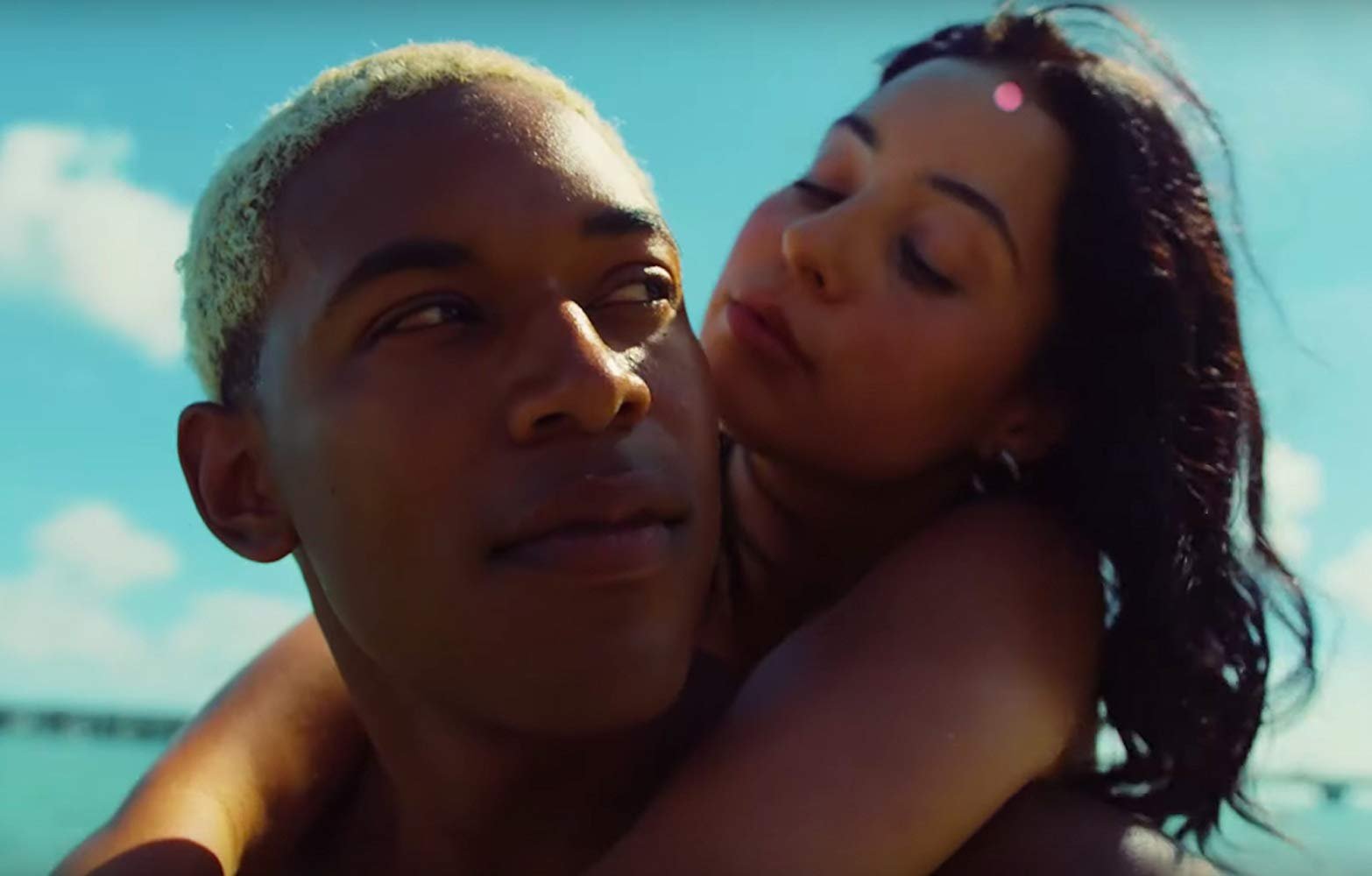
We don’t get to be average. In our families, we’ve got to be the star cousin who understands cultural protocols that come with family gatherings. We’ve got to be respectful. At school, we must be matriculate with distinction and occupy leadership positions. We’ve got to get early admission to universities and maintain our grades so we don’t flunk out of our first-choice degree program. At home, we must be the picture of good parenting and family values.
We don’t get to be average.
Facing this performance, it’s a wonder how any child manages to breathe, much less enjoy being alive, when most of their character development is rooted in their ability to achieve. Imagine the shock or gravity of any perceived threat to that ability, either through purposeful action or sheer misfortune.
Herein is the story of the Williams family of the 2019 film, “Waves.”
Ronald Williams, played by Sterling K. Brown, runs his family with an iron fist. Strict as he is, his style of parenting and partnership is rooted in benevolence and a desire to give his children the world. But as a Black man, he understands the harsh realities of Black life in America.
Yet, simultaneously, his harsh and extreme parenting tactics negatively affect Tyler, resulting in his oldest child slipping into depression.
When Tyler can no longer cover up the severity of a career-ending shoulder injury, his dream of becoming a professional wrestler slips away, ushering in a slew of behavioral and psychological issues with grave consequences.
Tyler’s identity was rooted in his ability to succeed, in the need to achieve. This isn’t to say that other races don’t experience the same thing, but a hallmark of the Black experience is having to be “twice as good for half of what they have,” à la Eli Pope of Scandal.
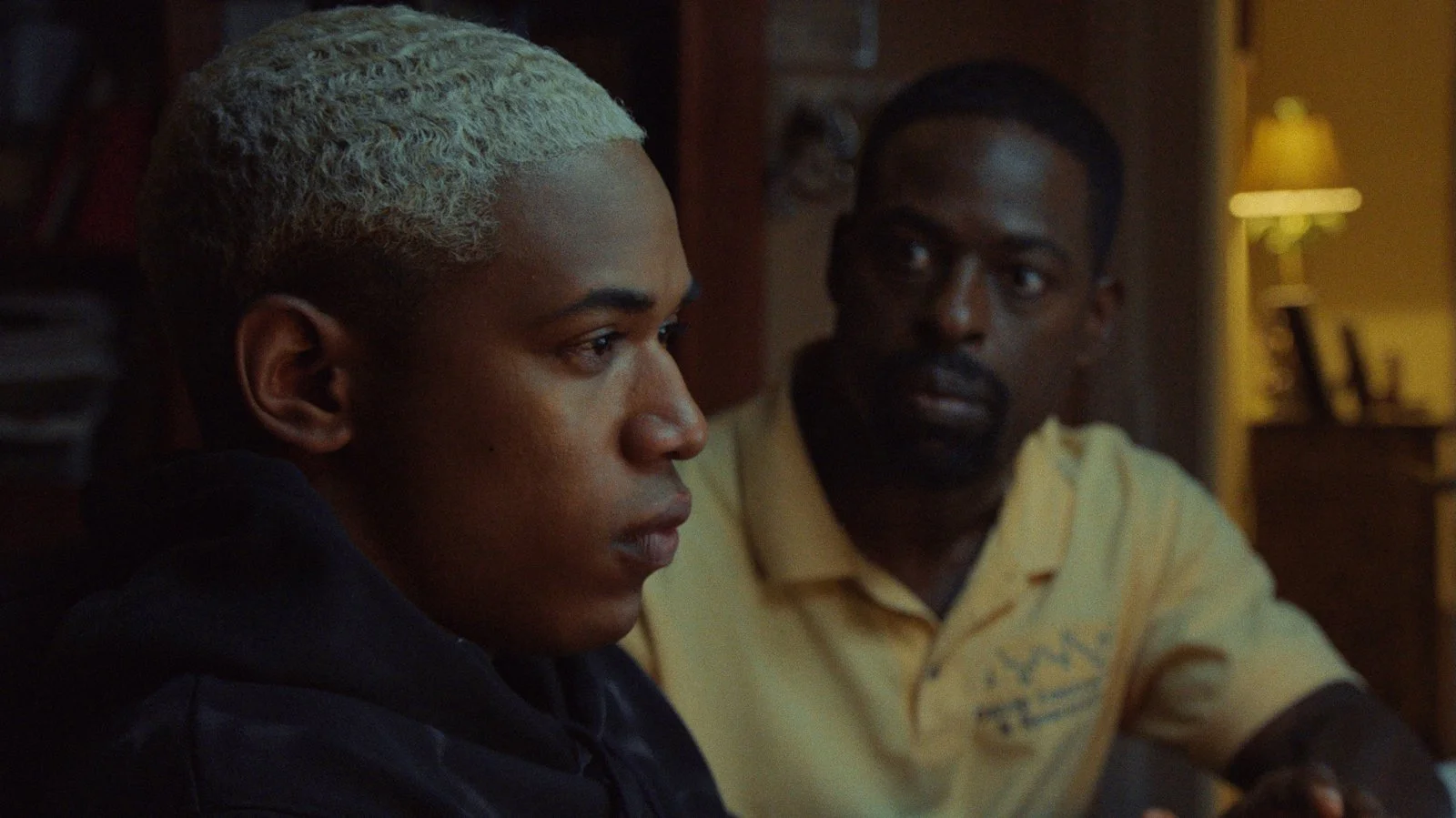
Eli and Ronald are eerily similar in their tough love, albeit one is far more benevolent than the other, depending on who you ask. Their desire for their children to be the best, by all means, is a shared character trait between the two TV and film fathers. Where the better choice was to hold their child, they demanded strength. Where the better choice would be gentle, they resorted to hard encouragement.
It’s no wonder Tyler and Olivia Pope, played by Kerry Washington, often broke under that pressure.
This isn’t to say that black children shouldn’t seek to be the champions of their fields. At the same time, leaving room for mental health and emotional wellness demands we decenter black excellence as the cornerstone of black success.
We must release Black children from being the measuring stick of triumph over the systematic racism that seeks to keep us subservient to whiteness.
Perhaps, it’s okay to be average in stature when there’s joy and peace in your mind and spirit. In a world like ours, it’s time to consider which is more valuable: external excellence and acclaim, or personal wellness and self-discovery.
