
Fatherlessness, a South African Export
Fatherlessness: a South African export and legacy of colonization. When we interrogate the impact of apartheid policies, an element left out of the conversation is the desecration of family.
Requiring “non-white” people to be absent from their homes to seek work and dehumanizing them was pivotal in breaking down our communities. Mothers and fathers were subjected to this reality, and to a degree, it has not subsided in democratic South Africa.
This context for the cause of fatherlessness in South Africa does not exist in a silo. Shows like “AboBaba” offer some insight into the various reasons behind fatherlessness, the impacts thereof, and the legacy it has left behind.
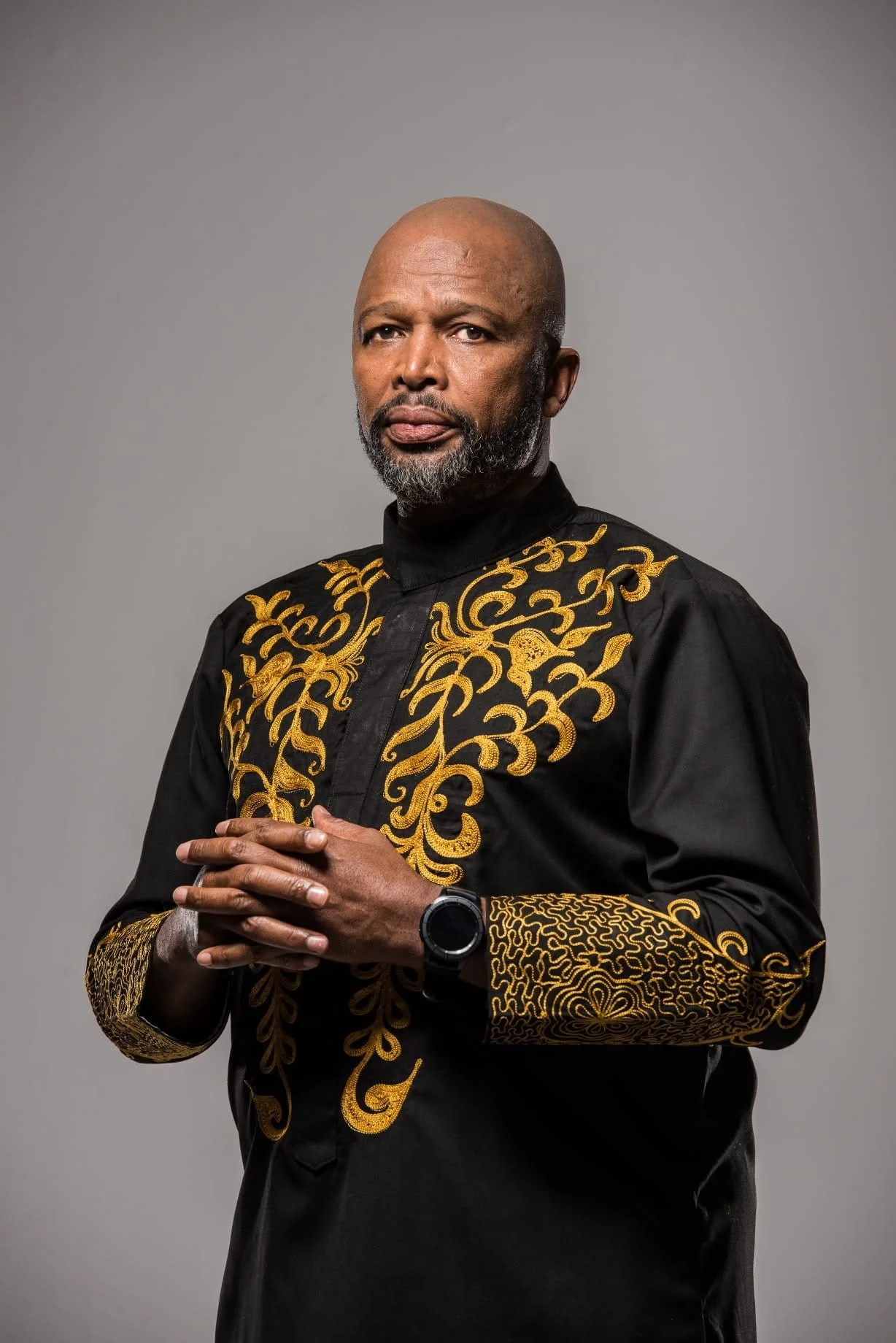
Hosted by Sello Maake Ka-Ncube, the series engages absent fathers who are interested in reestablishing relationships with their children. The nature of the deterioration between father and child is often rooted in physical, emotional, and/or drug abuse. Generally, it is the mothers who have primary custody of the child in question, and fathers are arguing that they wish to be more present in the child’s life.
Format-wise, Sello visits the fathers who are confessed, absent dads. After they share their stories, mothers share their experience of the men who fathered their children. Once this happens, there’s a sit-down between both parties to attempt to begin the process of reaching a resolution that achieves the goal of uniting father and child.
Visitation and custody are persistent issues throughout the reality show. There is a reluctance to schedule visitation or establish binding custody agreements. Of the men participating in the show, many cannot maintain custody or serve as primary caregivers to their children.
Beyond being an active caregiver, they cannot or do not financially support their children. Meanwhile, they speak with an air of arrogance and entitlement to access their children at will.
The most common narrative among the fathers featured on the show was an equally distant relationship with their own fathers. Interestingly, however, all of them keenly recall how uncomfortable they were as youth with the status of their relationships with their fathers, and eventually repeated the same behavior. “AboBaba”opens with the story of Tebogo, father to Bokamoso.
The breakdown in his ability to access his child happened when he drew a knife against the mother of his child, Kelebogile, after she denied him access to the child when he showed up unannounced at her home. Thereafter, his temper and inability to financially or emotionally support the child resulted in Bokamoso not wanting to visit him, according to Kelebogile.
As their story unfolds, it begs the question: Should fathers who have displayed violent behavior be able to access their children? Should mothers on the receiving end of that violence have to forgive and share custody with a man they are wary of, more so a man who the child does not want to be around? Where is the boundary?
Every father’s story is not the same, however. Petrus Mbambo, who can financially support his children, believes, “It’s not fair that I have to pay child support and be denied access.”
According to him, he stopped paying child support when the relationship between him and the mother of his child, Motshewa, ended. She attributes the end of their relationship to feeling misused by the Mbambo family.
Outside of her relationship with the Mbambo’s, Motshewa expressed concerns over Petrus’s parenting, specifically his spanking their daughter Buhle when she was two years old.
Motshewa has remarried, and her husband is the only father that Buhle knows. Meanwhile, Petrus’s alleged inconsistencies pose a concern for Motshewa’s new family. In a case like this, the question lies in whether or not biology trumps nurturing.
Conversely, Matome Masipa is an obviously emotionally abusive and threatening man. He attributes his domineering of Ofelia to loving her “too much.” When the relationship ended, threats against Ofelia’s life marked the escalation of his abuse.
Since their breakup, Ofelia has partnered with a man who is present and active in her child’s life. In response, Matome has threatened and harassed Ofelia’s new boyfriend, going as far as saying, “I told him that whatever he buys for the child, I’m going to burn it and send him proof.”
Where Ofelia’s boyfriend is present and “doing right by” her child, Matome has neither observed his cultural obligation of intlawulo, nor his child support obligations.
Ofelia has expressed that once damages are paid and Matome refrains from tormenting her boyfriend, she’d be amenable to arranging visitation and establishing a custodial agreement. Instead of considering Ofelia’s proposed arrangement, Matome walked off camera, refusing to acknowledge or accept another father figure in his child’s life.
These stories indicate that fatherlessness does not exist in a silo. Fathers are men, men who are still privileged and entitled as patriarchy would have them believe. The mothers of their children refusing to conform or submit to their wishes appears to be the root of their absenteeism.
Even so, mothers are often beseeched to grant these fathers access to their children, believing a relationship with their father is best and that, traditionally, it is the “proper” way.
Ironically, these fathers have the disposition of patriarchs, specifically what a man is and is not. Yet they don’t follow the customs that inform their supposed manhood.
The purpose of “AboBaba,” the methodology of Sello Maake Ka-Ncube’s interaction, and the hope is to unite children with their fathers, above all else.
In truth, we live in a world that is neither fair nor just. How do we leave room for forgiveness? How should mothers forgive ill-prepared and/or abusive fathers? If there can be redemption, how could it be qualified? More importantly, children are not innocent forever—they will grow up to ask questions and seek their own answers. What happens if a child no longer wants the parental relationship?
I often joke that after the Springboks, rooibos tea, and music, fatherlessness is one of South Africa’s greatest exports.
